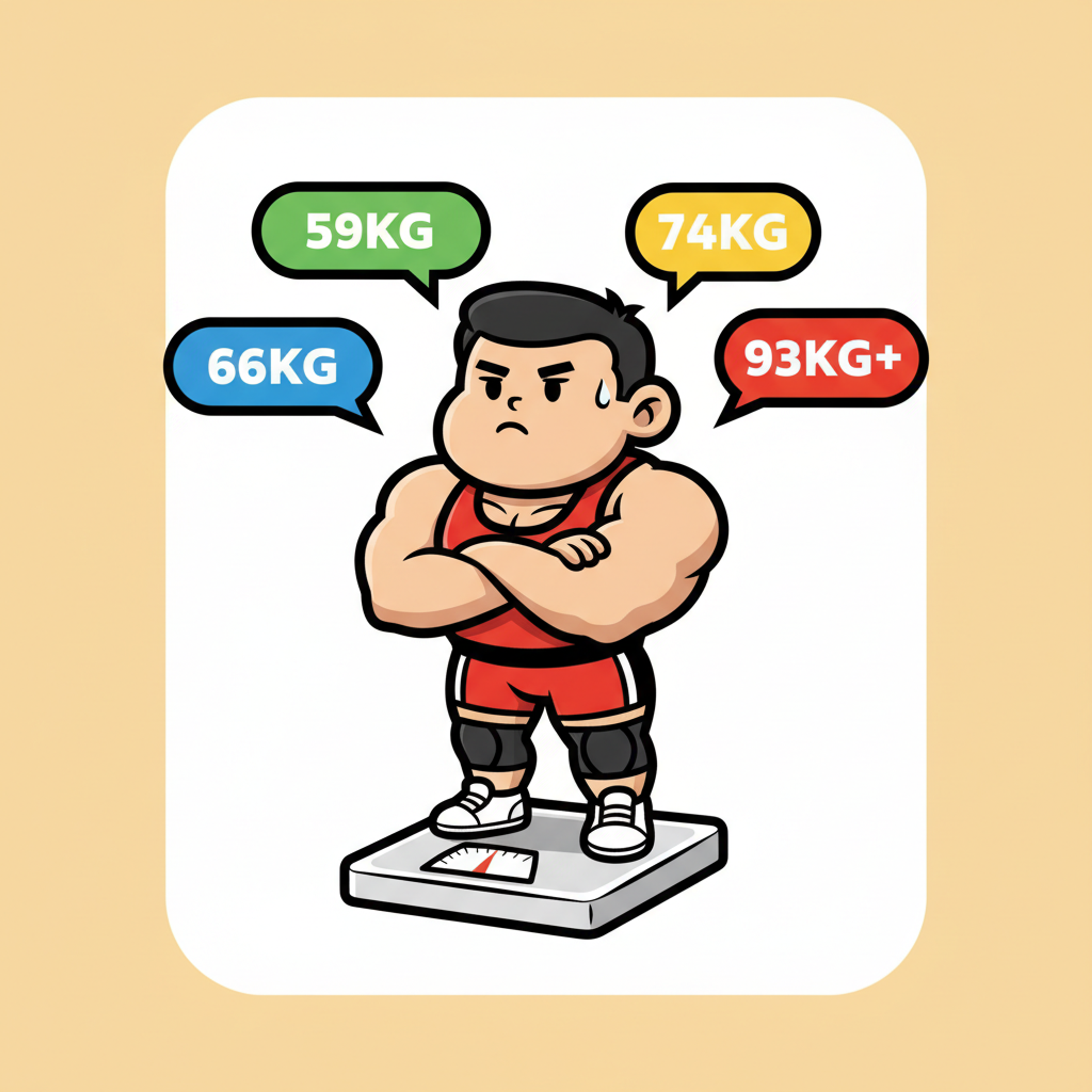
What Weight Class Should You Actually Compete In
Most first-time powerlifters pick a weight class the same way they pick a shirt size: by their current bodyweight. That is the wrong framework.
Evidence-based guides on programming, technique, and nutrition for powerlifters and strength athletes.
Most first-time powerlifters pick a weight class the same way they pick a shirt size: by their current bodyweight. That is the wrong framework.
Speed work sounds like it's for athletes. You are a powerlifter. You lift heavy things slowly.
Your opener is the most important lift of the meet. Not your third attempt. Not your all-time PR. The first lift.
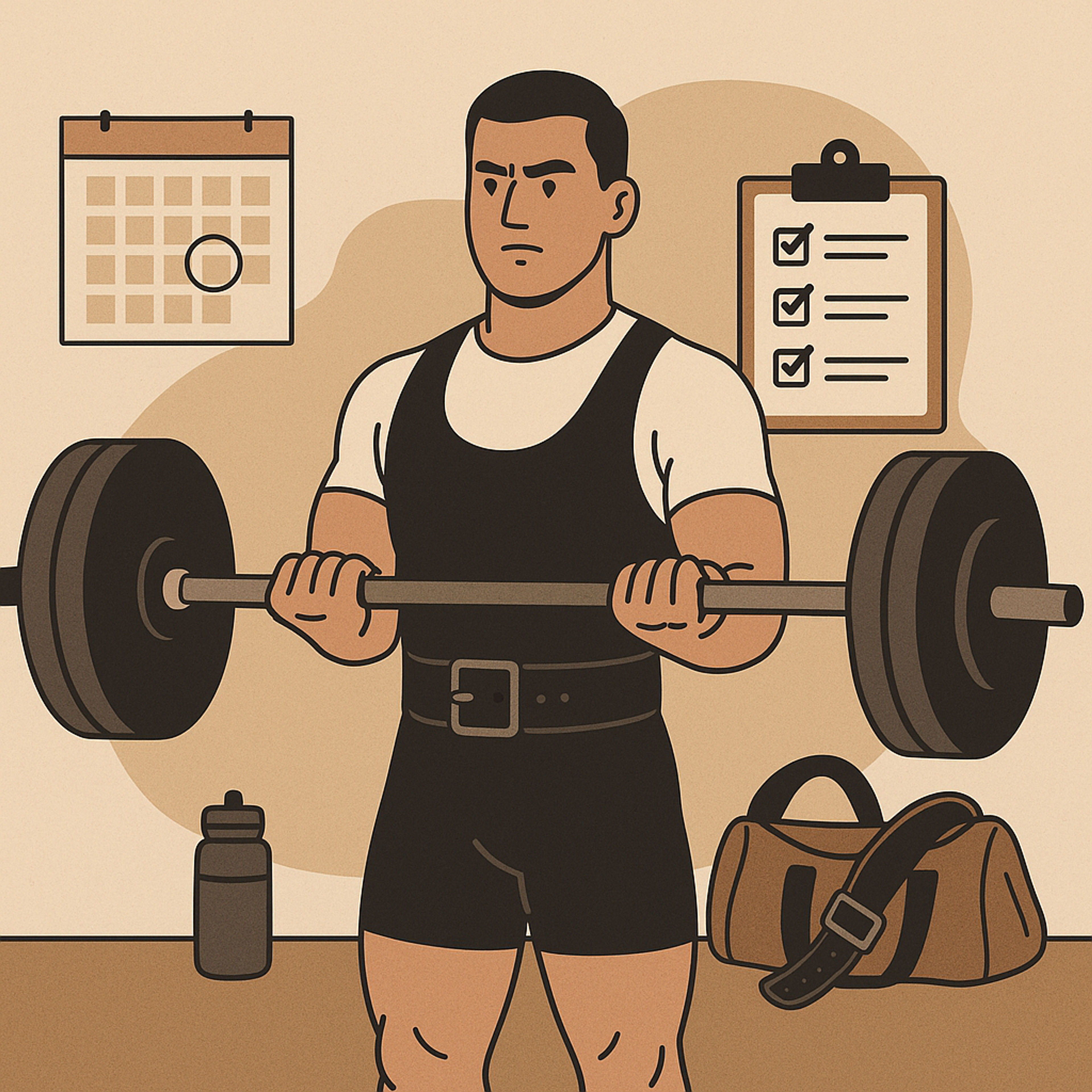
The belt debate produces more heat than light. One camp says never use a belt — you need to build raw core strength first. The other says always wear a belt — protect your spine at all costs.
The conventional wisdom in powerlifting: don't bother with curls, your arms get enough work from the big lifts. The conventional wisdom in bodybuilding: arms need direct work to grow. Both camps are p
Yes. Also no. It depends on what you mean by jacked and how you are training.
This is not a debate. The answer is both, used strategically.
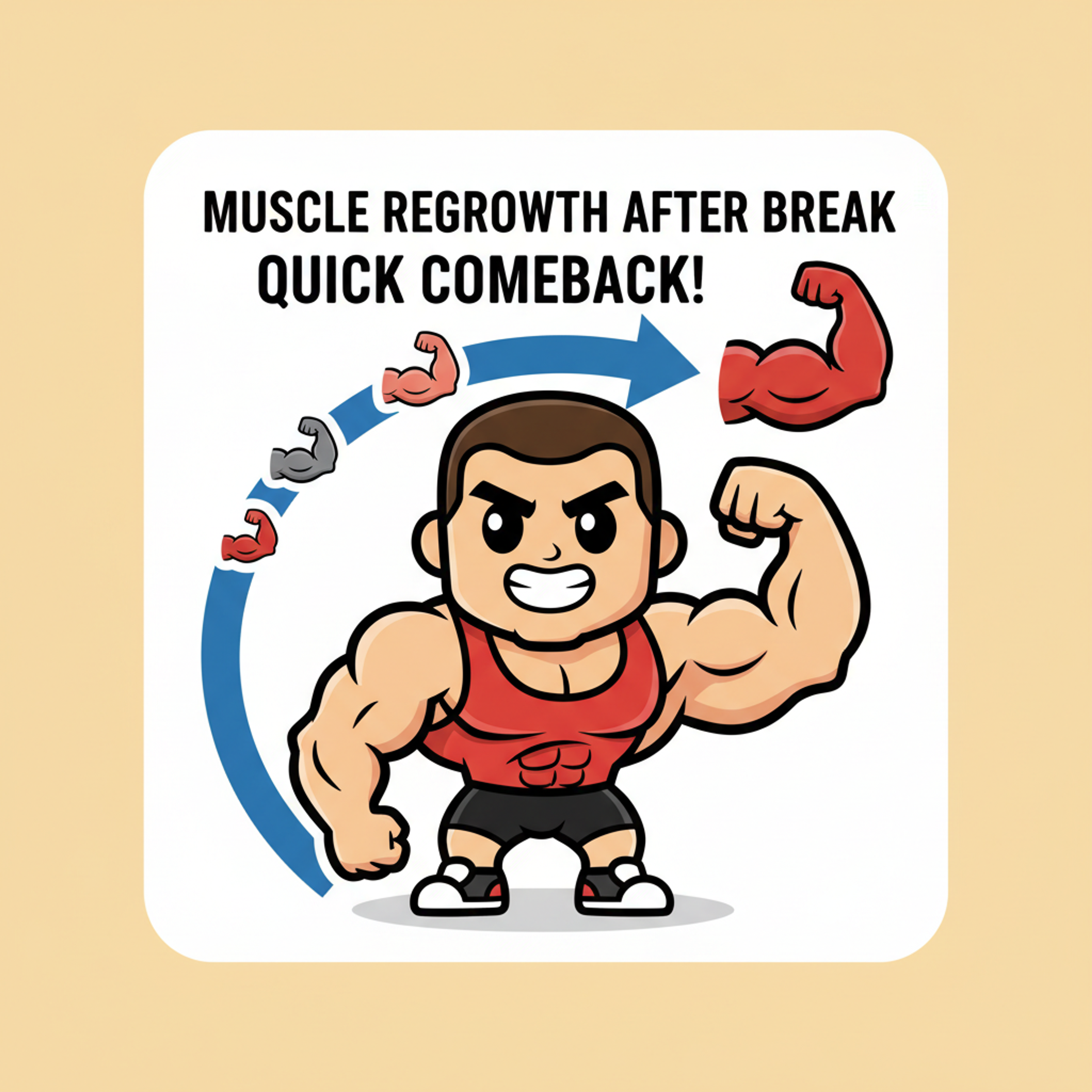
You have taken time off. Life happened — illness, travel, injury, work, a new baby. You come back to the gym and you are weaker than you were. The muscle you spent years building appears to have disap
You want to build muscle. Someone told you to eat in a calorie surplus. Now you need to know how big that surplus should be.
The fear: train fasted and your body will eat your muscle for fuel. The counter-fear: eat too close to training and you will be nauseous under a heavy squat.
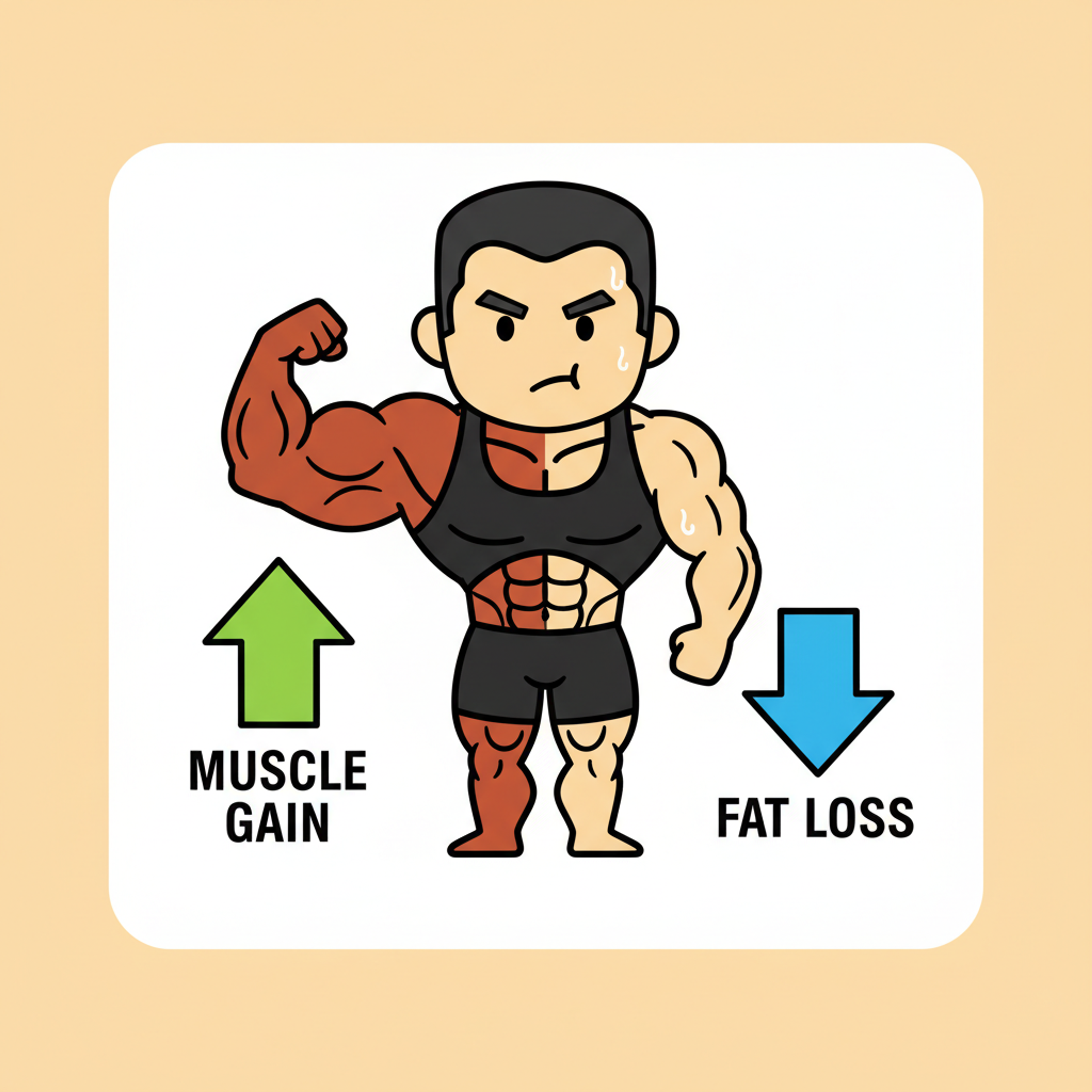
Body recomposition — gaining muscle and losing fat simultaneously — is real. It is also frequently overhyped and often applied to people it will not work for.
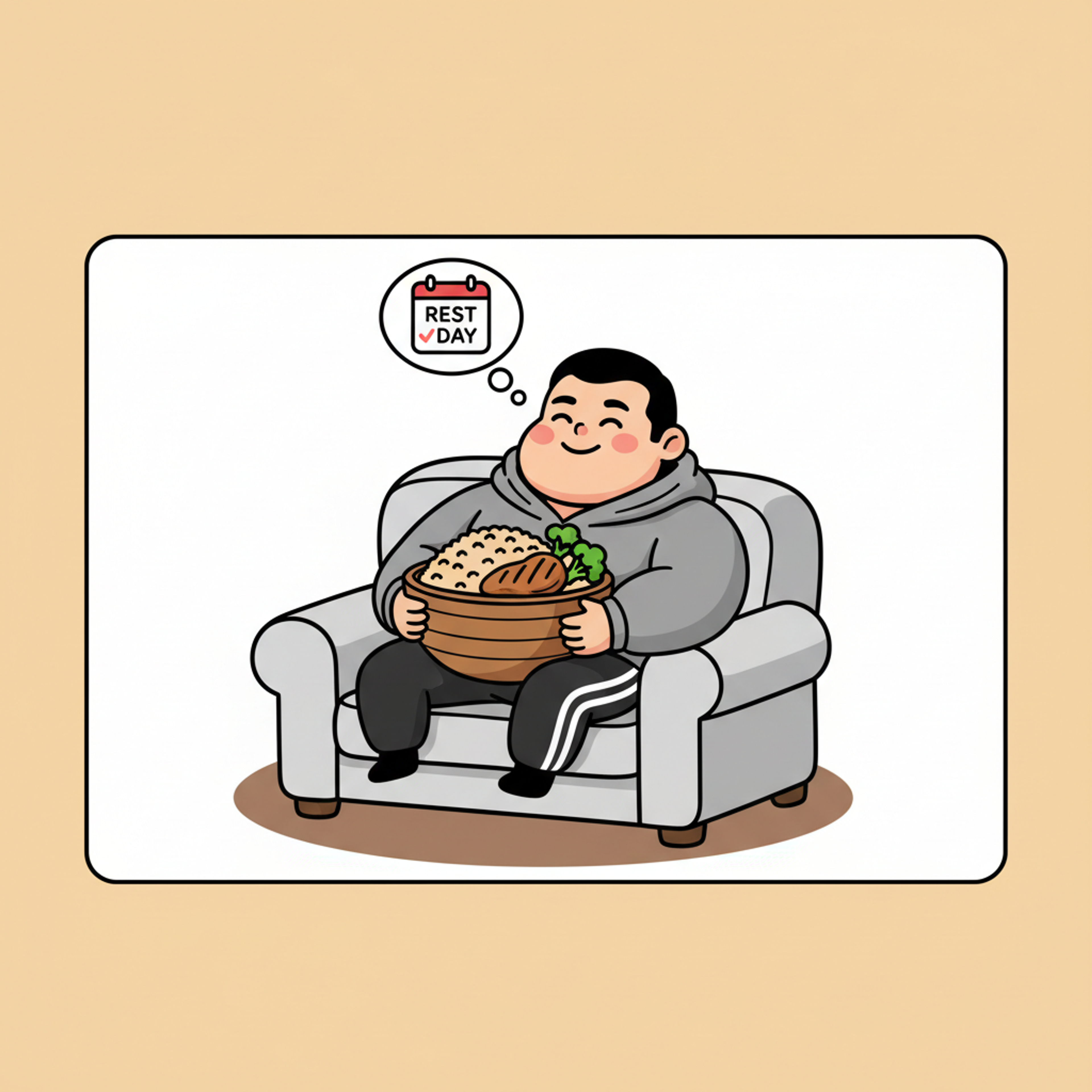
Rest days produce a lot of unnecessary anxiety. Do you eat less? Do you cut carbs? Do you maintain exactly what you eat on training days?
Every experienced lifter has been here. The alarm goes off. The gym is waiting. And you genuinely do not want to go.
The most honest answer to "how long until I see results" is: faster than you think for strength, slower than you want for size.
At some point, the standard training schedule stops being possible. Work intensifies. Kids arrive. Sleep becomes scarce. The 5-day program you designed when you had unlimited time is now laughable.
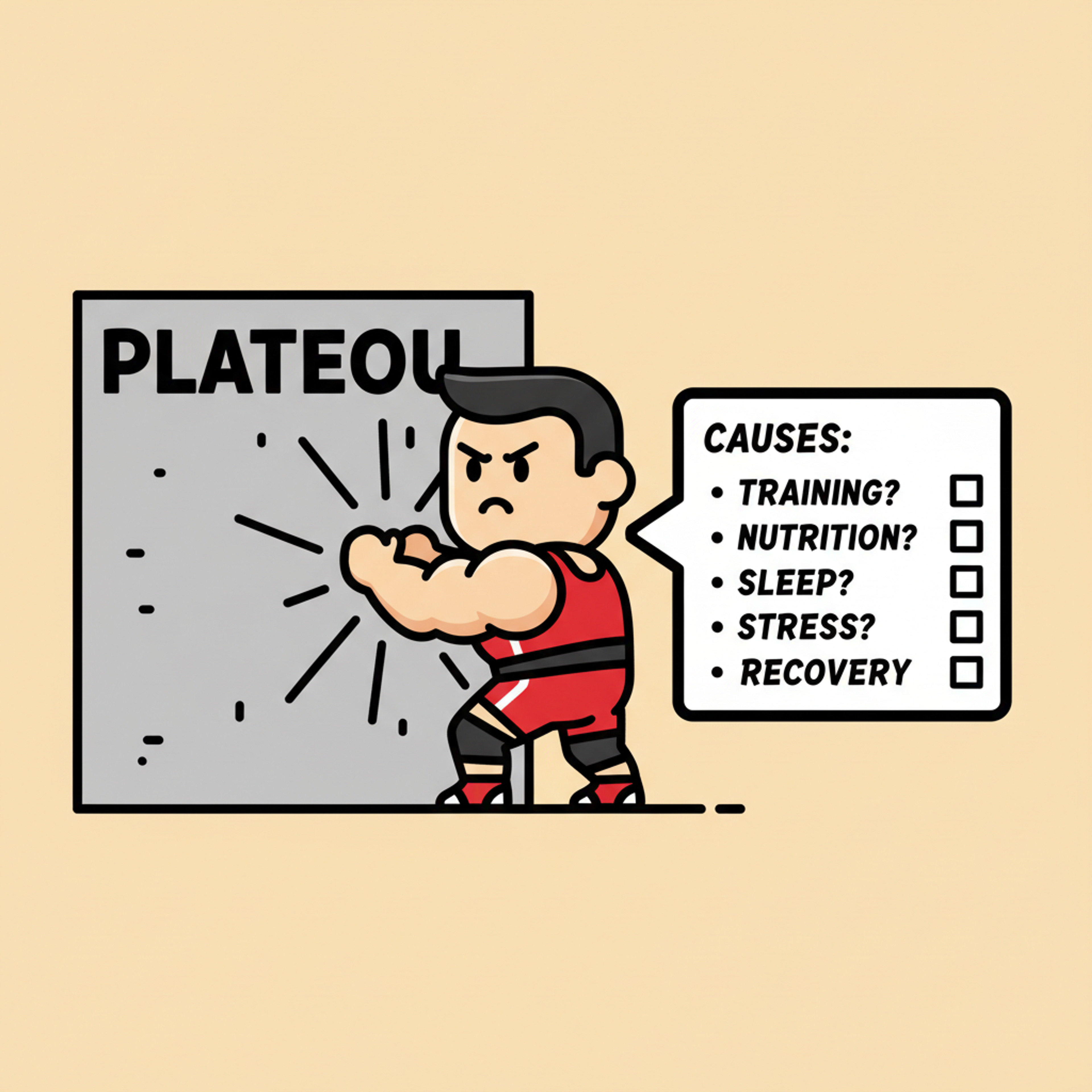
A plateau is not bad luck. It is information. The question is what it is telling you.
Breathing during a heavy lift is not instinctive. The instinct — especially under maximal loads — is to hold your breath and hope for the best. That instinct is actually correct. But most people apply
The standard answer: compounds first, isolation last. This is usually correct. But "usually" is doing a lot of work in that sentence.
Rest period recommendations range from 30 seconds to 5 minutes depending on who you ask. The correct answer depends on what you are trying to achieve — and most people rest either too little or too lo
Soreness after training is normal. Soreness that prevents you from moving normally for five days is not. Understanding the difference determines whether you are training productively or damaging yours
If you are currently debating the optimal angle of your pinky finger during a tricep extension but haven’t tracked your total training volume in six months, you are the problem.
"How many sets should I do?"
I'd be happy to help rewrite this section for a more professional tone. Here's a revised version:
You trained legs yesterday. Can you train them again today?
If you try to get bigger, stronger, and faster all at the same time, you will likely end up small, weak, and slow. This is the Interference Effect.
A spreadsheet cannot feel your hamstrings.
"Good form" is a myth.
For decades, bodybuilders preached "the squeeze." The peak contraction—the top of the curl, the lockout of the leg extension—was where the magic happened.
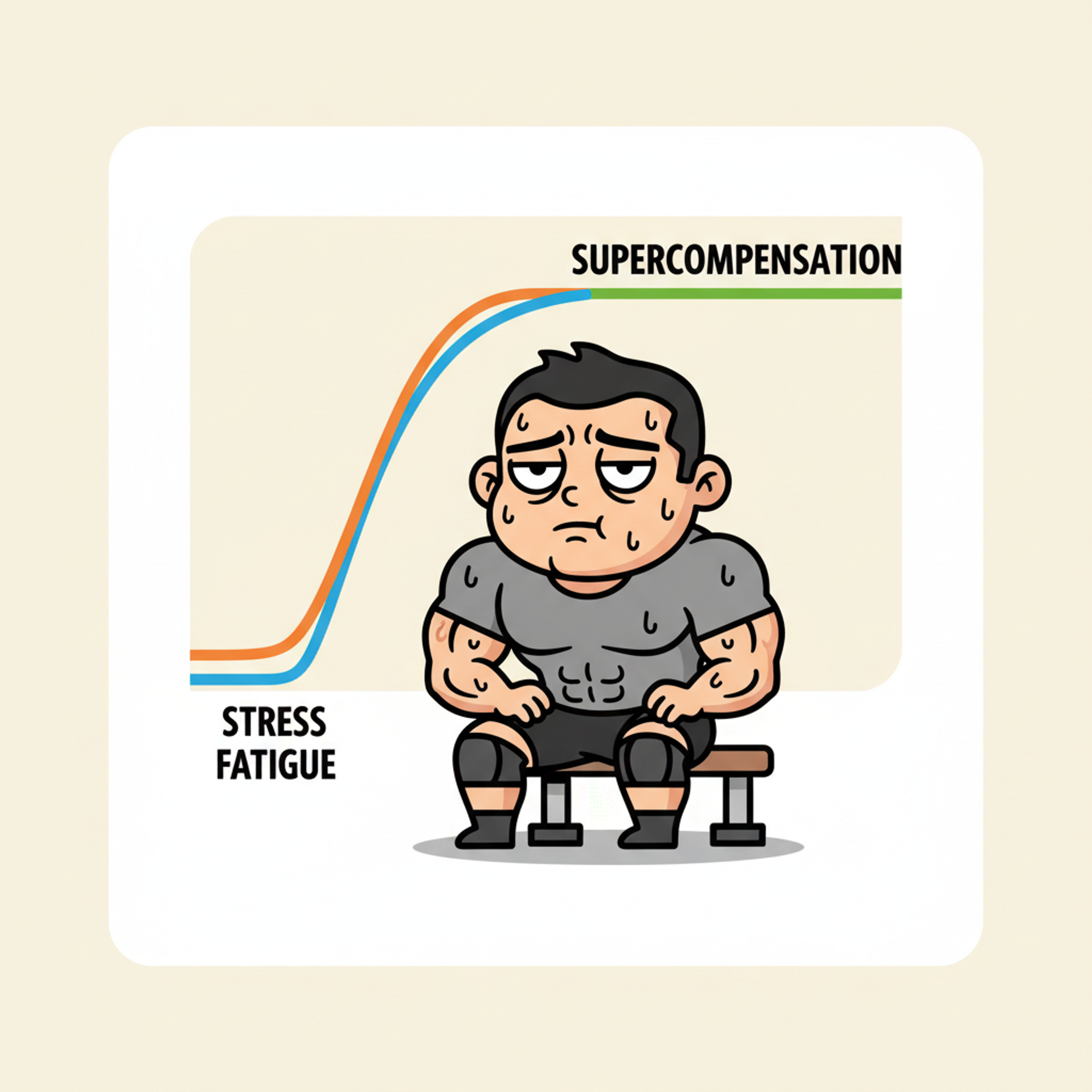
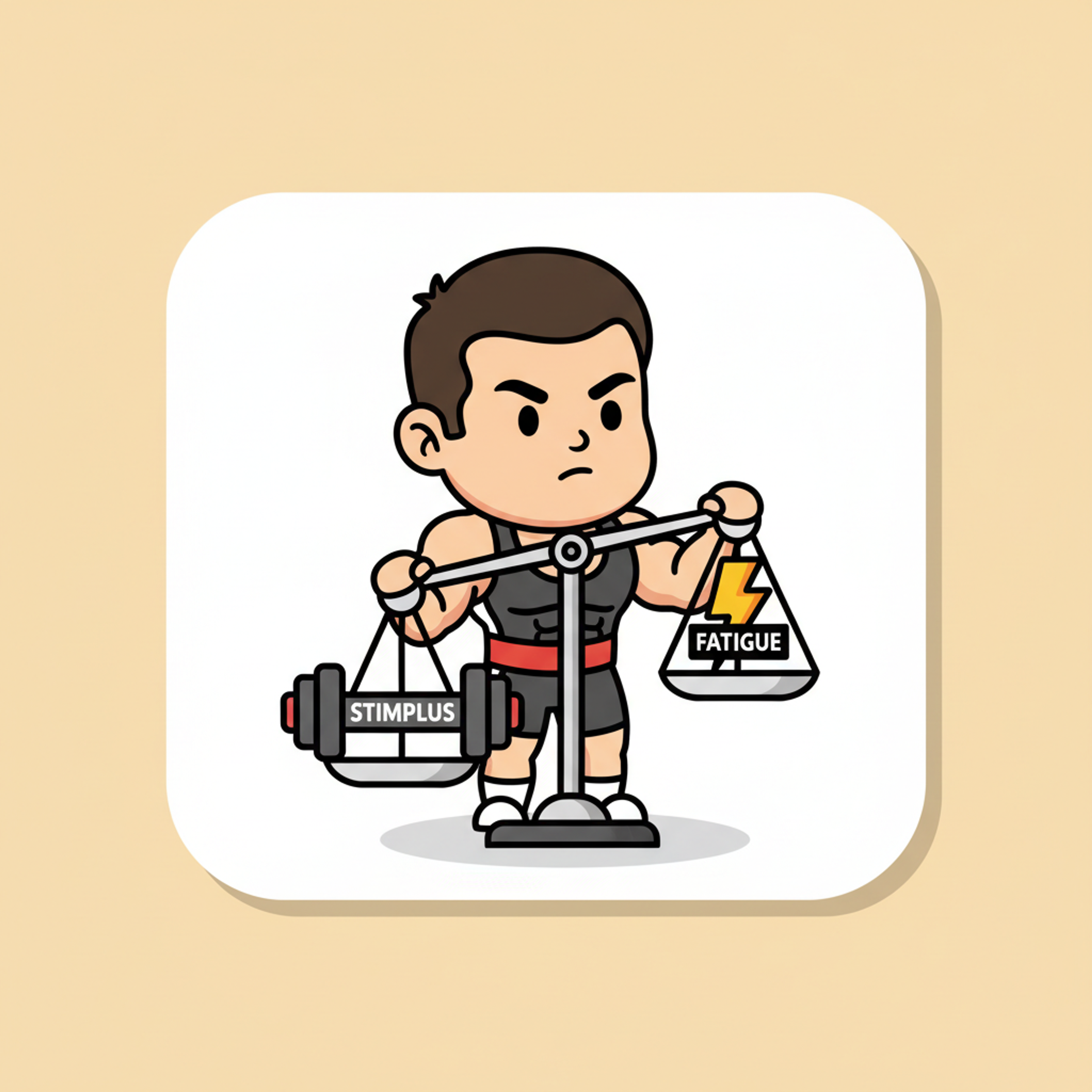
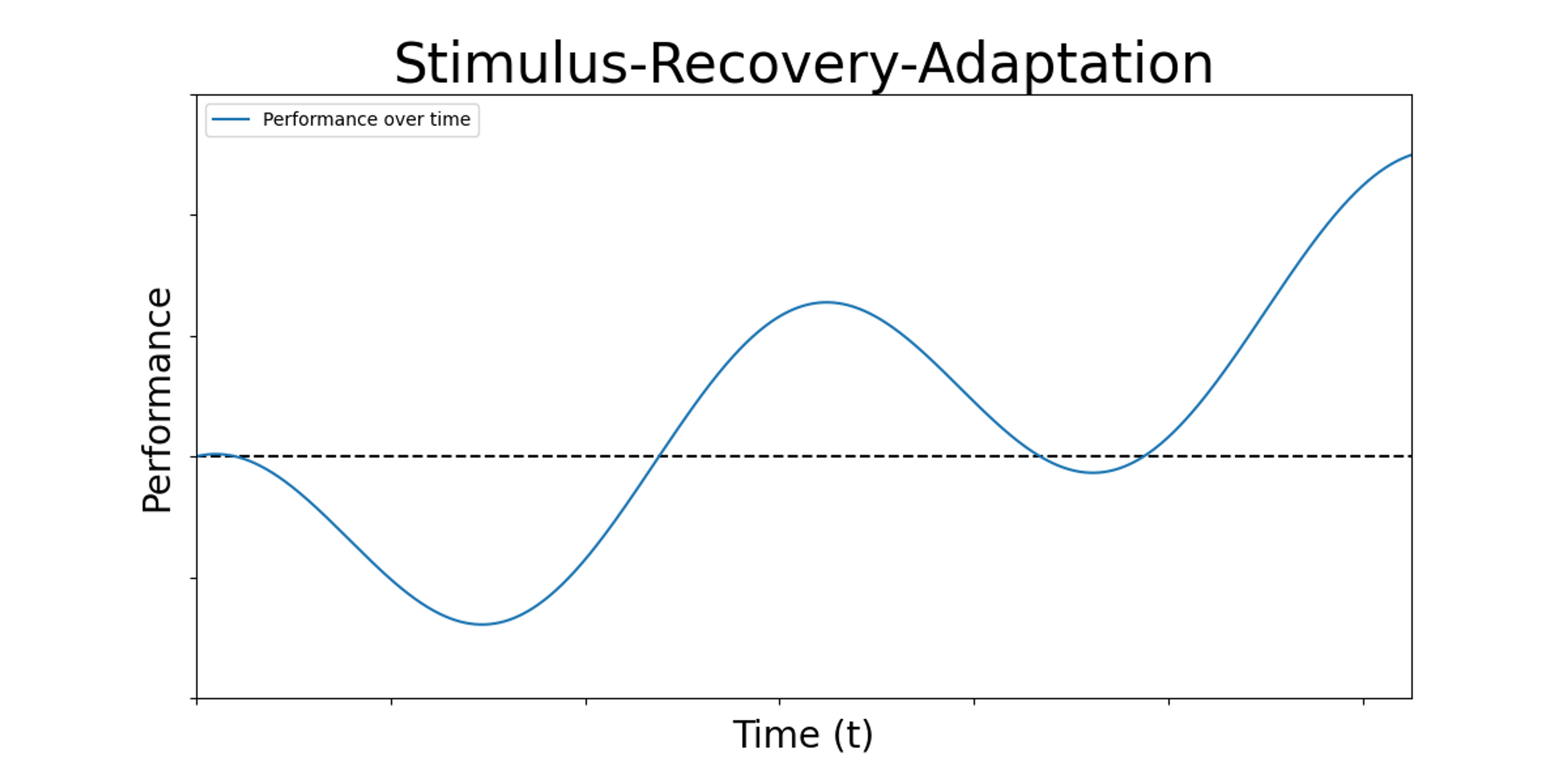
Training is a transaction. You pay with fatigue, and you buy adaptation.
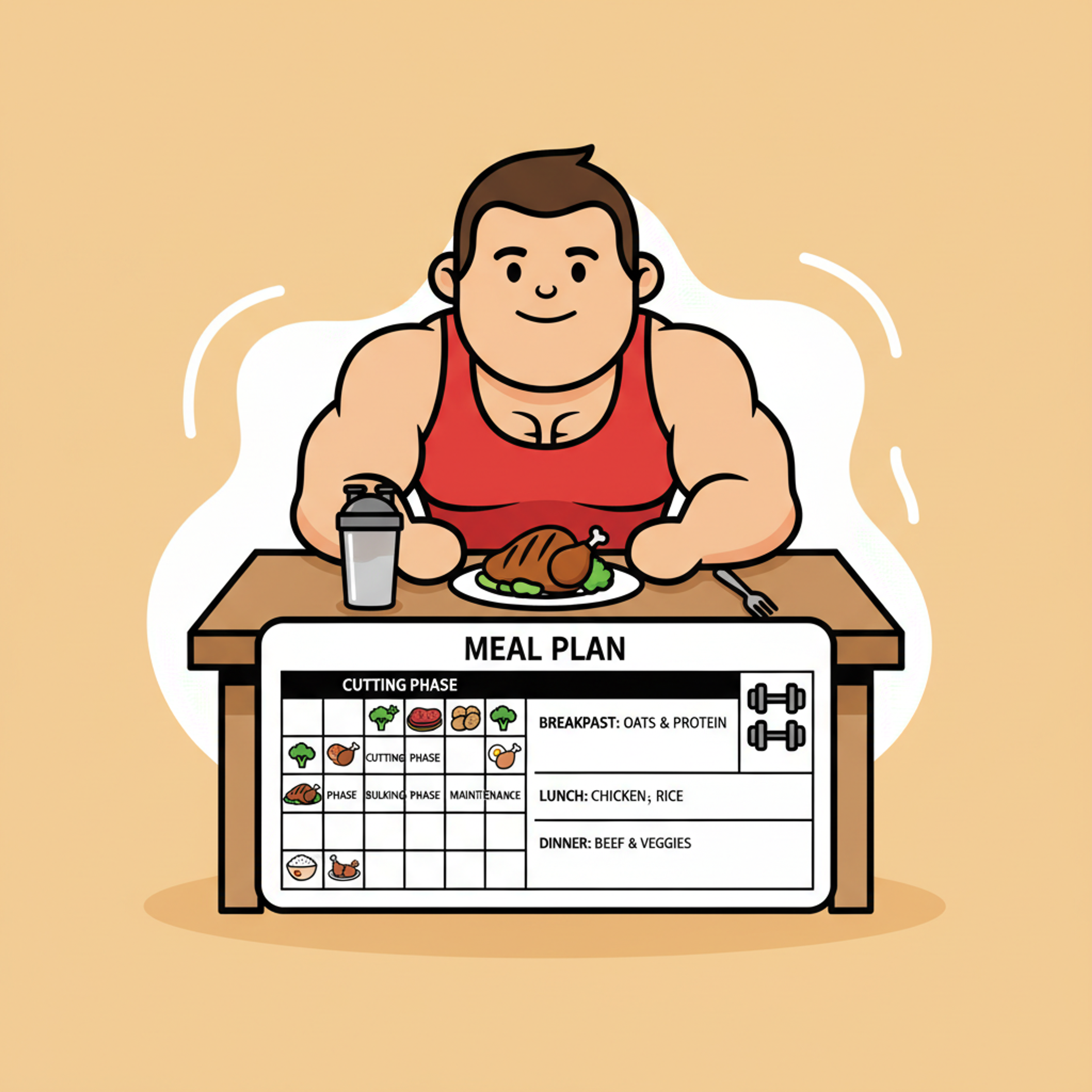
Most people eat the same way year-round regardless of what phase they're training in. That is like driving in first gear on the highway—technically moving, but leaving a lot on the table.
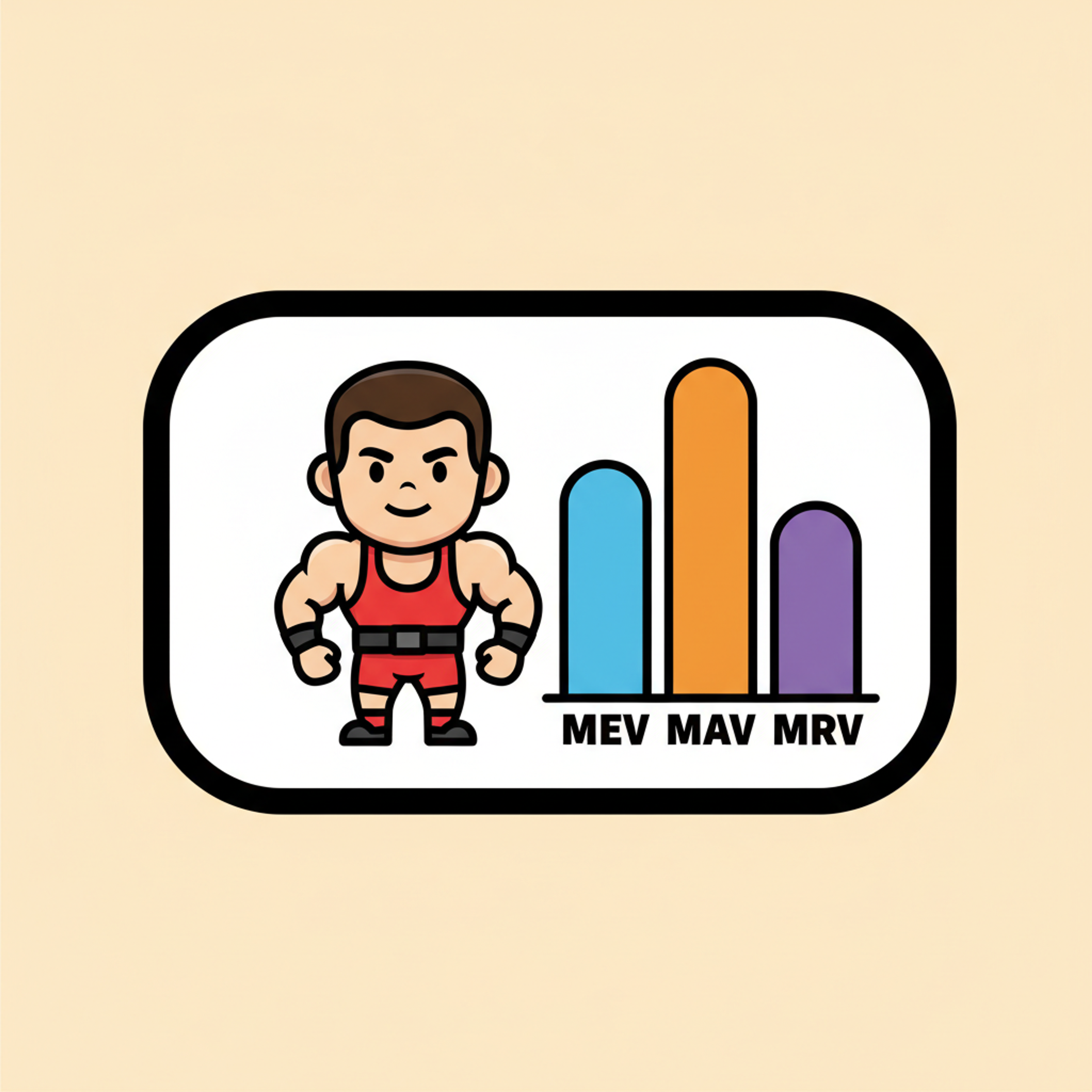
More is not always better. At some point, extra training volume stops producing extra adaptation and just costs more recovery. The minimum effective dose (MED) is the smallest stimulus that still prod
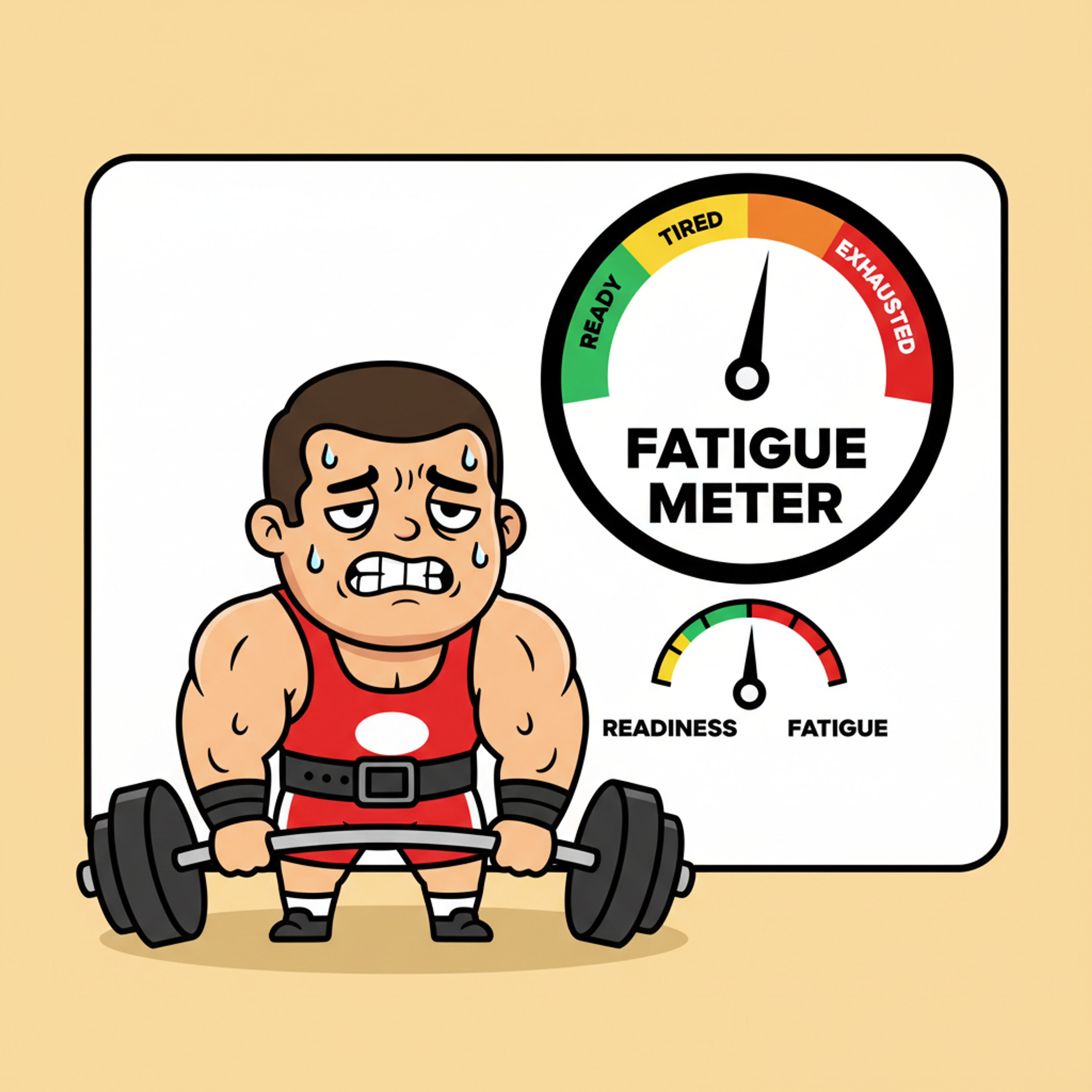
Most programs assume you are a robot. They prescribe "5 sets of 5 at 80%" on Tuesday regardless of whether you slept 8 hours or 3, or whether work stress is through the roof.
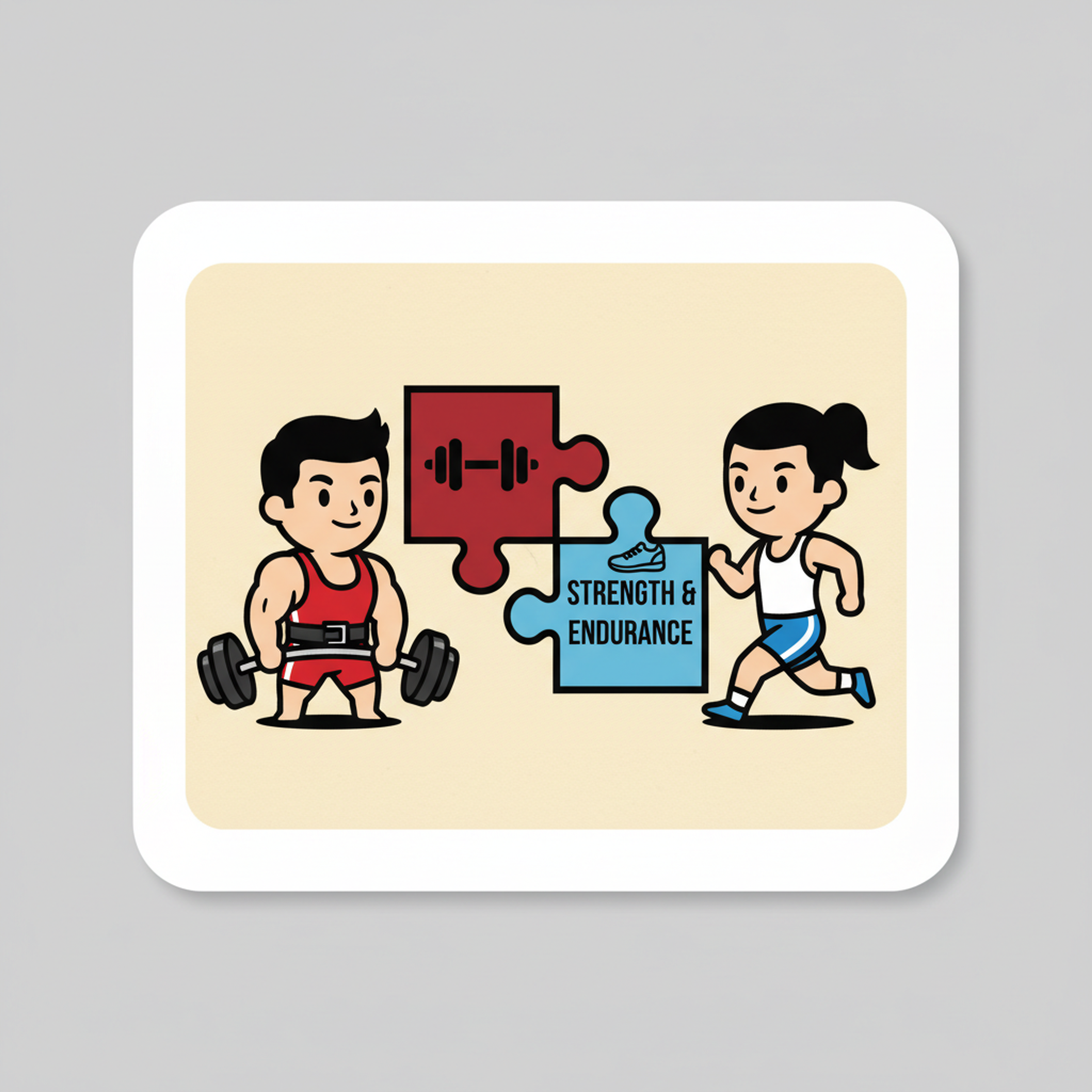
For decades, the "Interference Effect" was the boogeyman of strength sports. The dogma: cardio kills gains. The theoretical basis was that the cellular pathway for endurance (AMPK) directly inhibits t
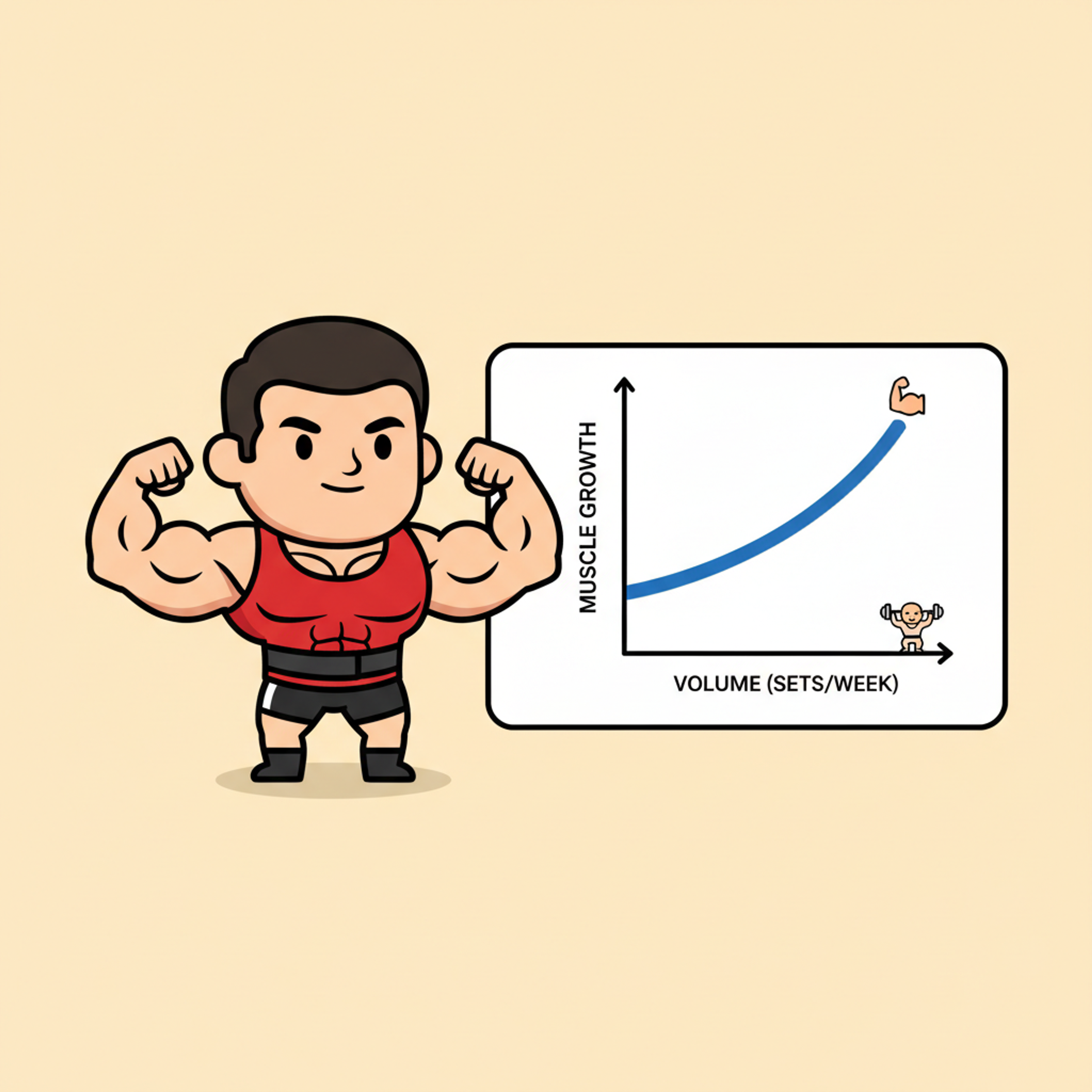
Muscle growth follows a diminishing returns curve. There is a physiological limit to how much anabolic signaling a muscle can receive in a single session. Once you cross that threshold, you are doing
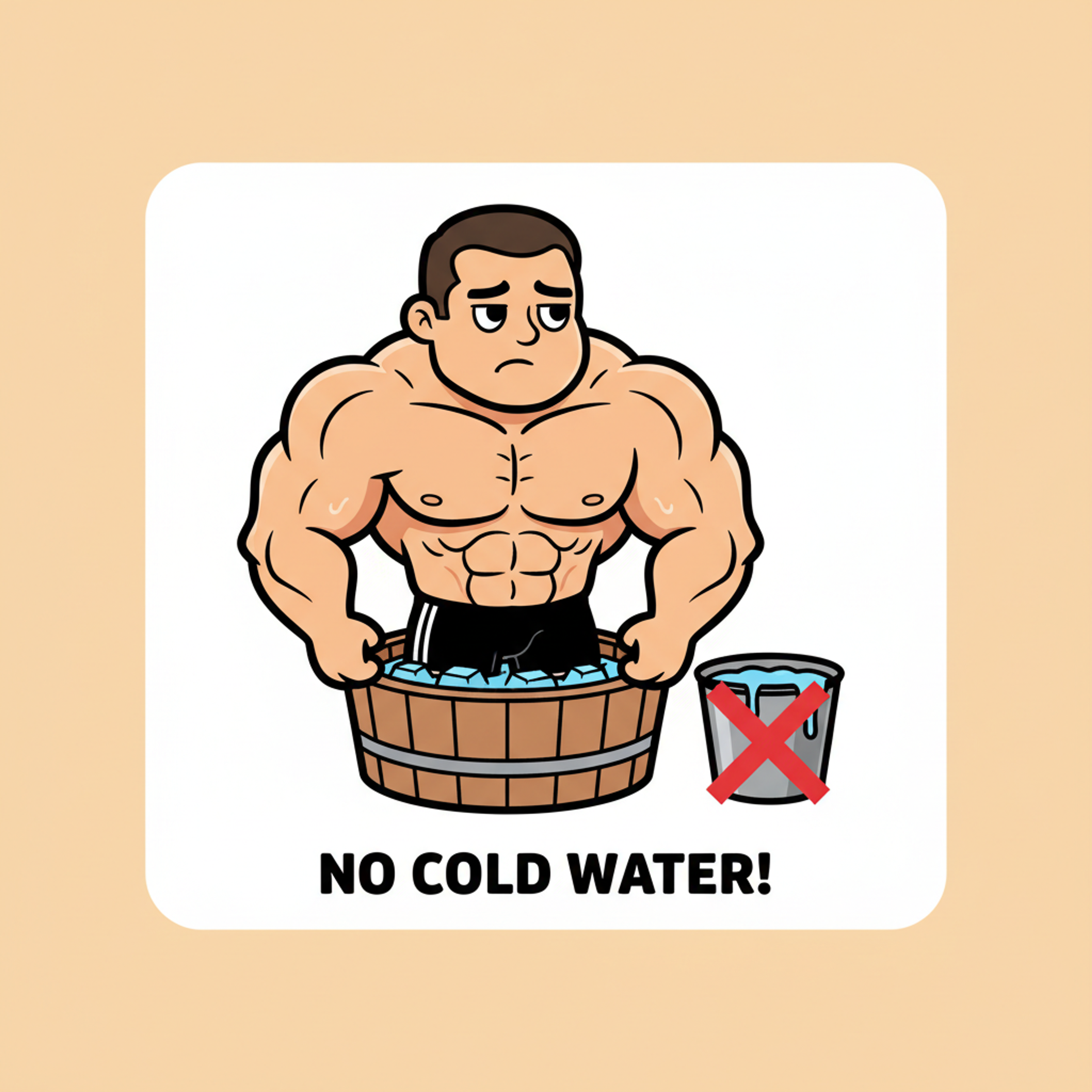
Watch the NFL or NBA and you'll see athletes sitting in tubs of ice. It looks hardcore. The logic follows the "no pain, no gain" fallacy: if it hurts, it must be working.
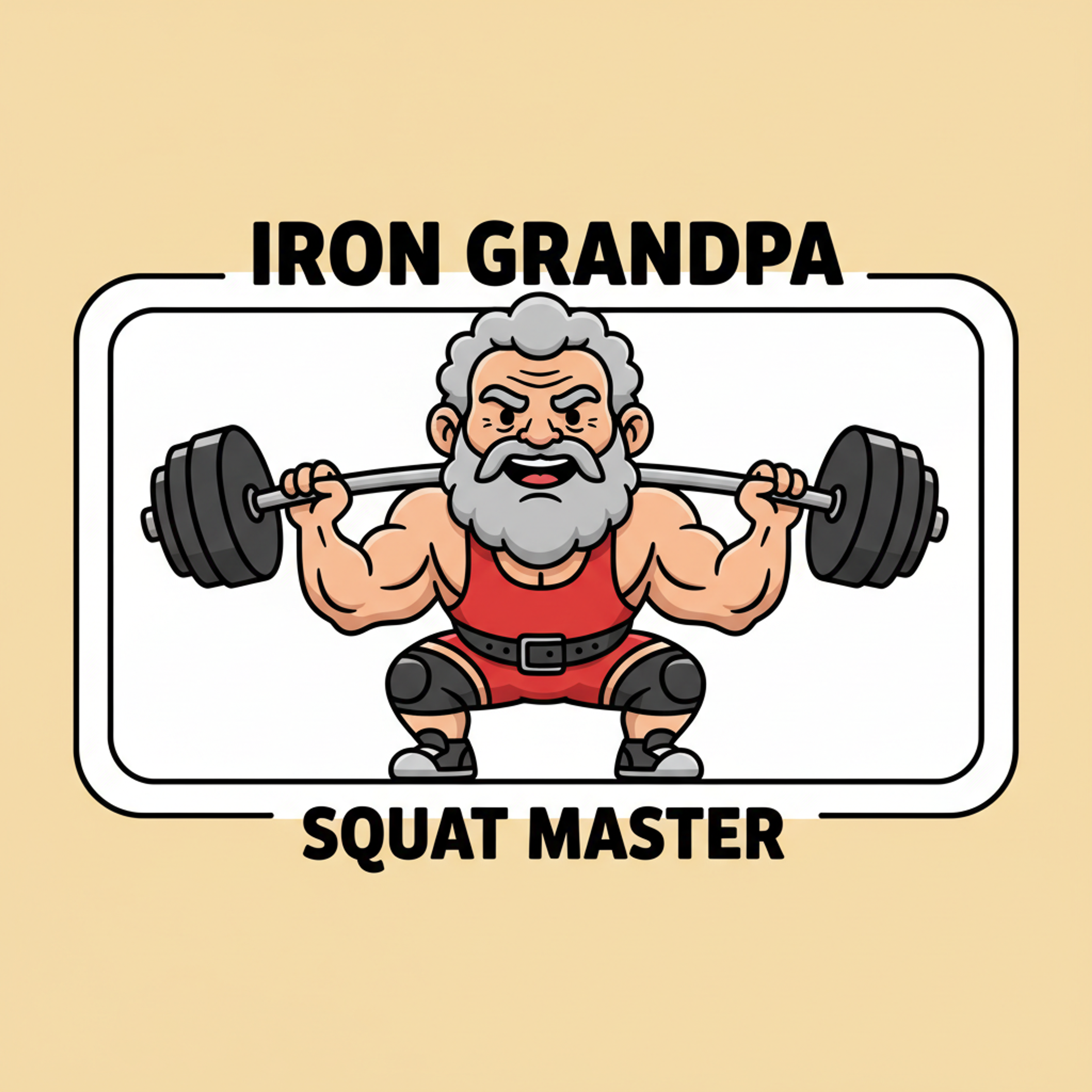
The fitness industry treats the 60+ demographic with condescension. The standard prescription is light weights, high reps, and water aerobics. This assumes the primary goal of aging is safety.
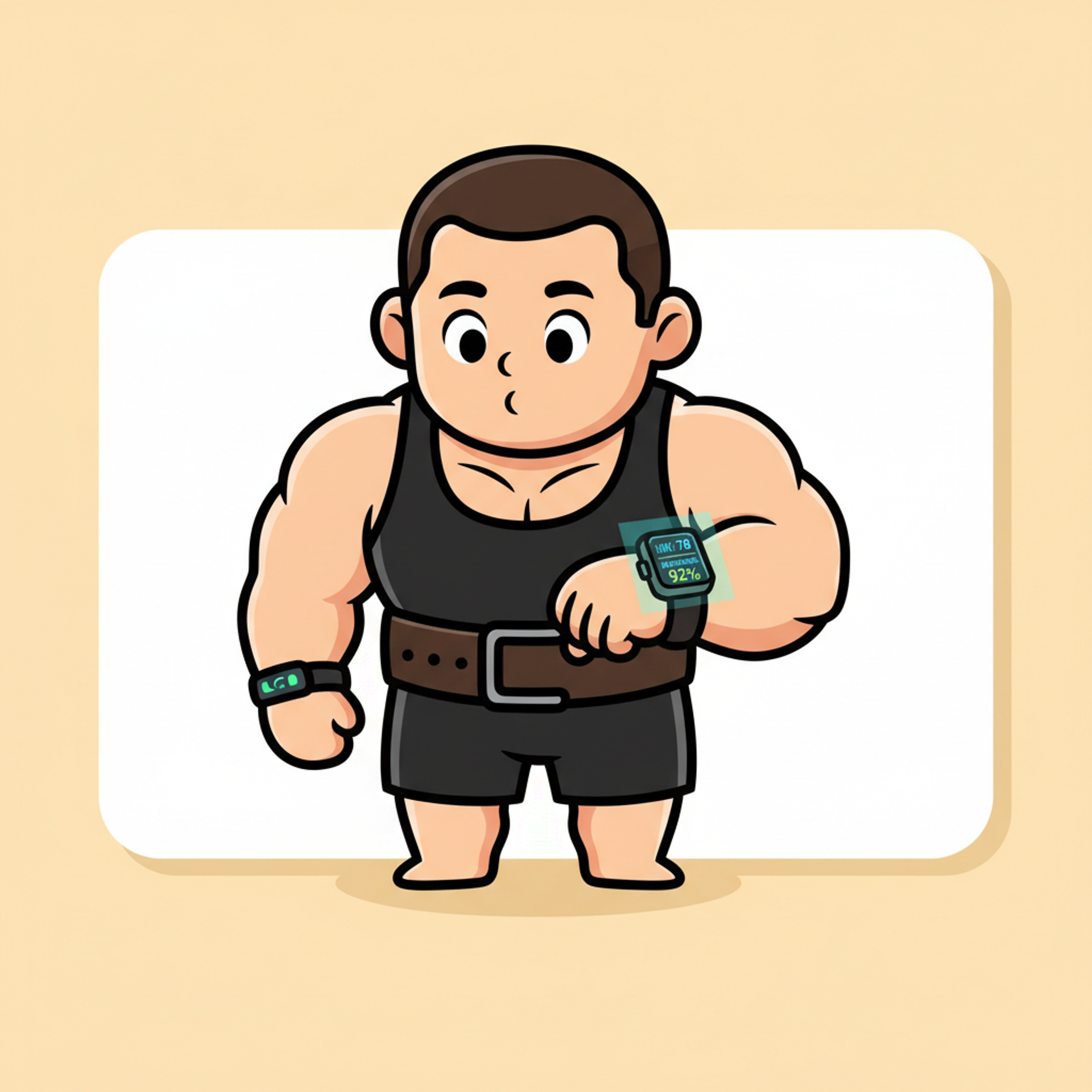
Tracking steps, sleep stages, HRV, and "readiness scores" promises precision. The reality is often paralysis.
Novices thrive on simplicity. Go to the gym, do 3 sets of 5, add weight, repeat. Linear progression is elegant and it works—until it doesn't.
There is a pervasive myth in powerlifting that any movement lasting longer than ten seconds will instantly dissolve your muscle tissue and turn you into a marathon runner.
When it comes to sculpting a well-defined and muscular upper body, a strong and chiseled chest often takes center stage. Whether you're striving for an aesthetically pleasing physique
Compound exercises are exercises that work multiple muscle groups at the same time. Examples include the squat, deadlift, and bench press. Isolation exercises, on the other hand,
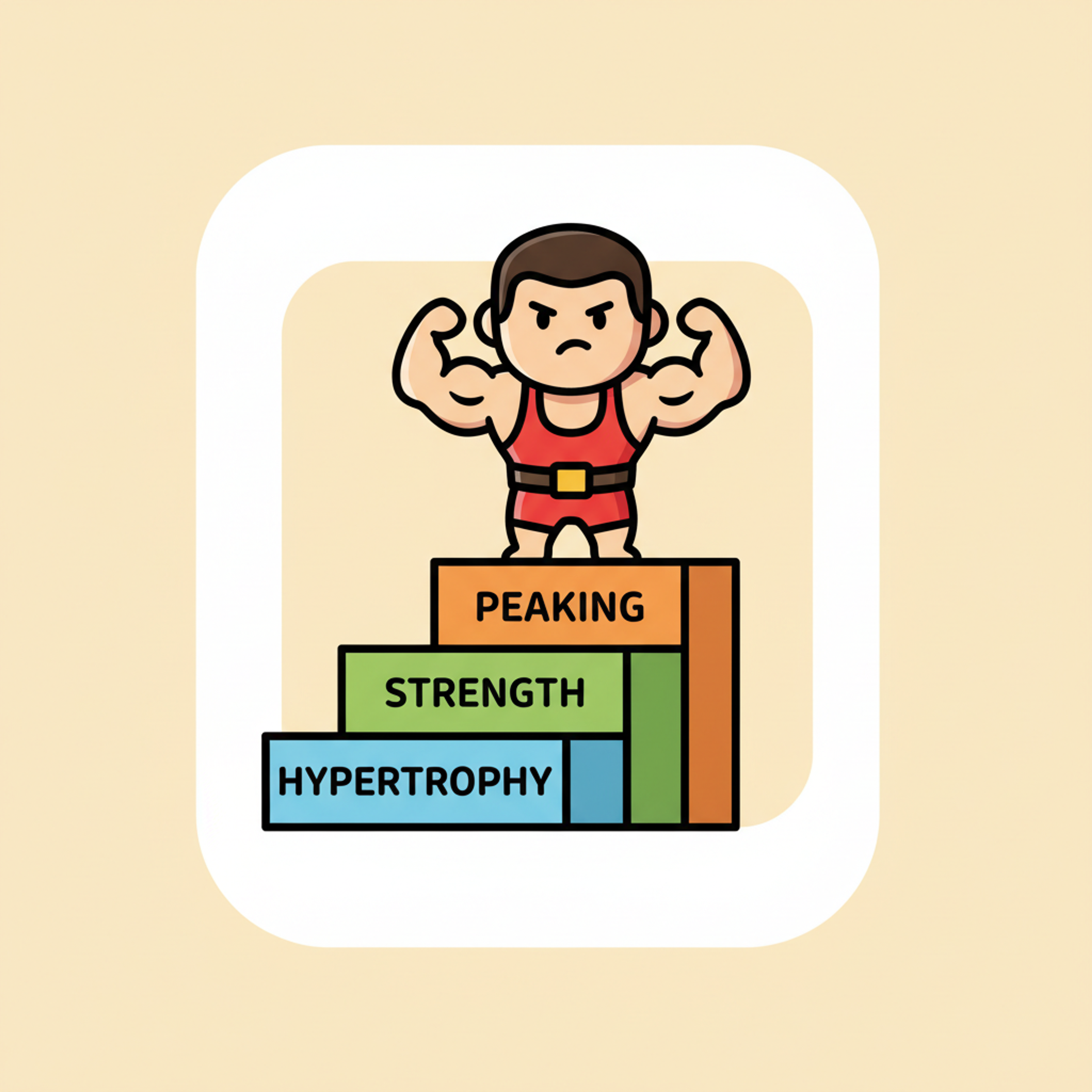
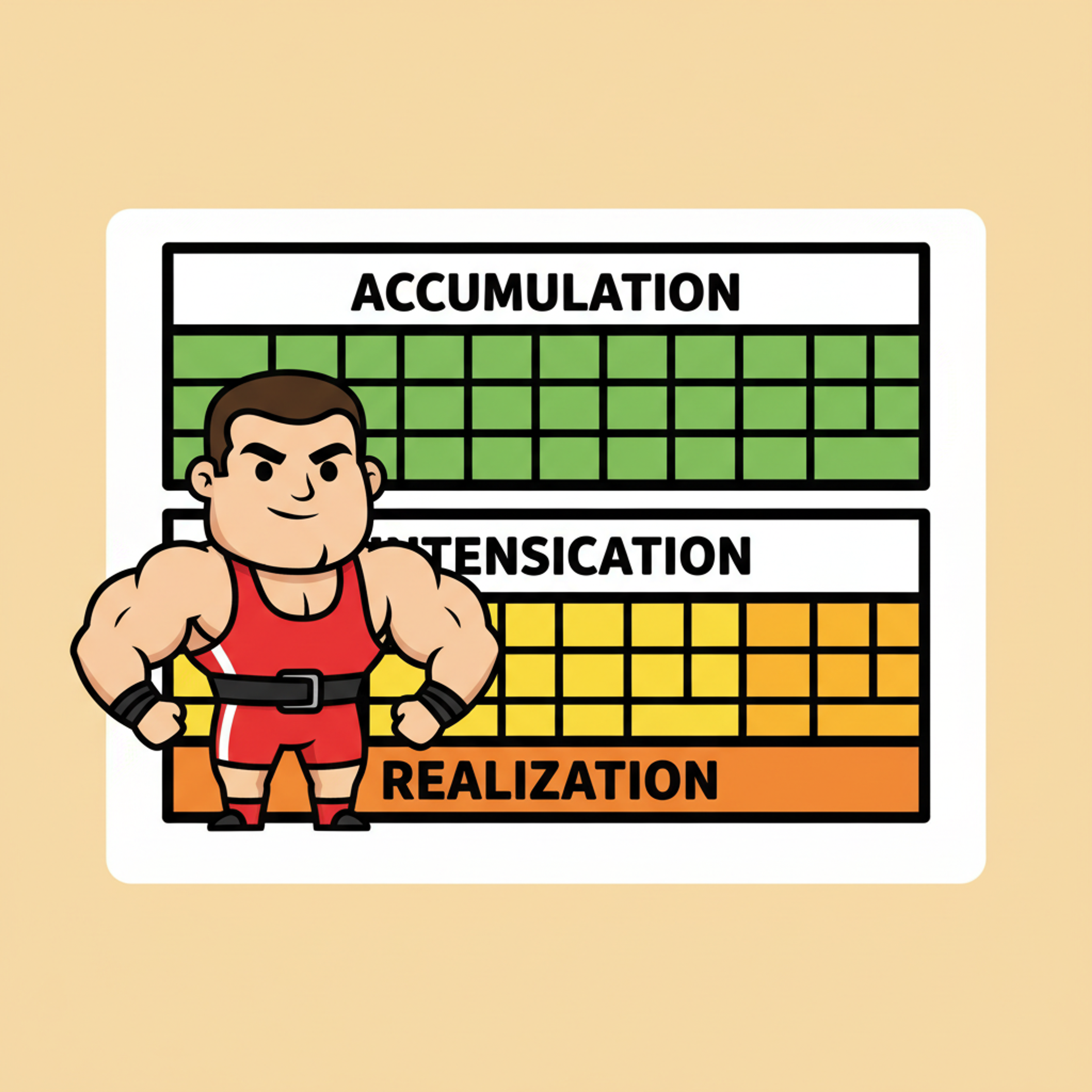
In most traditional periodizations these attributes are trained in distinct phases or blocks. Usually, a hypertrophy phase leads to a strength phase, which then leads to an absolute strength phase
How often should you increase the load in training? The answer is a with so many other things in training it depends. The simplest answer to this question is when you get stronger.
You’ve just started this new incredible program. Everything is great! People on the internet say it's the best program ever and you are ready to become the strongest person alive.
If you want to get stronger or build muscle mass, improving is the most important thing. This is due to the principle of progressive overload.
Sometimes during your life, training a lot might not be a possibility. This can be due to life circumstances, motivation, or even an inability to train as much as you want.
So you have decided to participate in your first powerlifting meet. You are likely excited, but also a bit nervous. In this article, we will help you prepare for the meet.
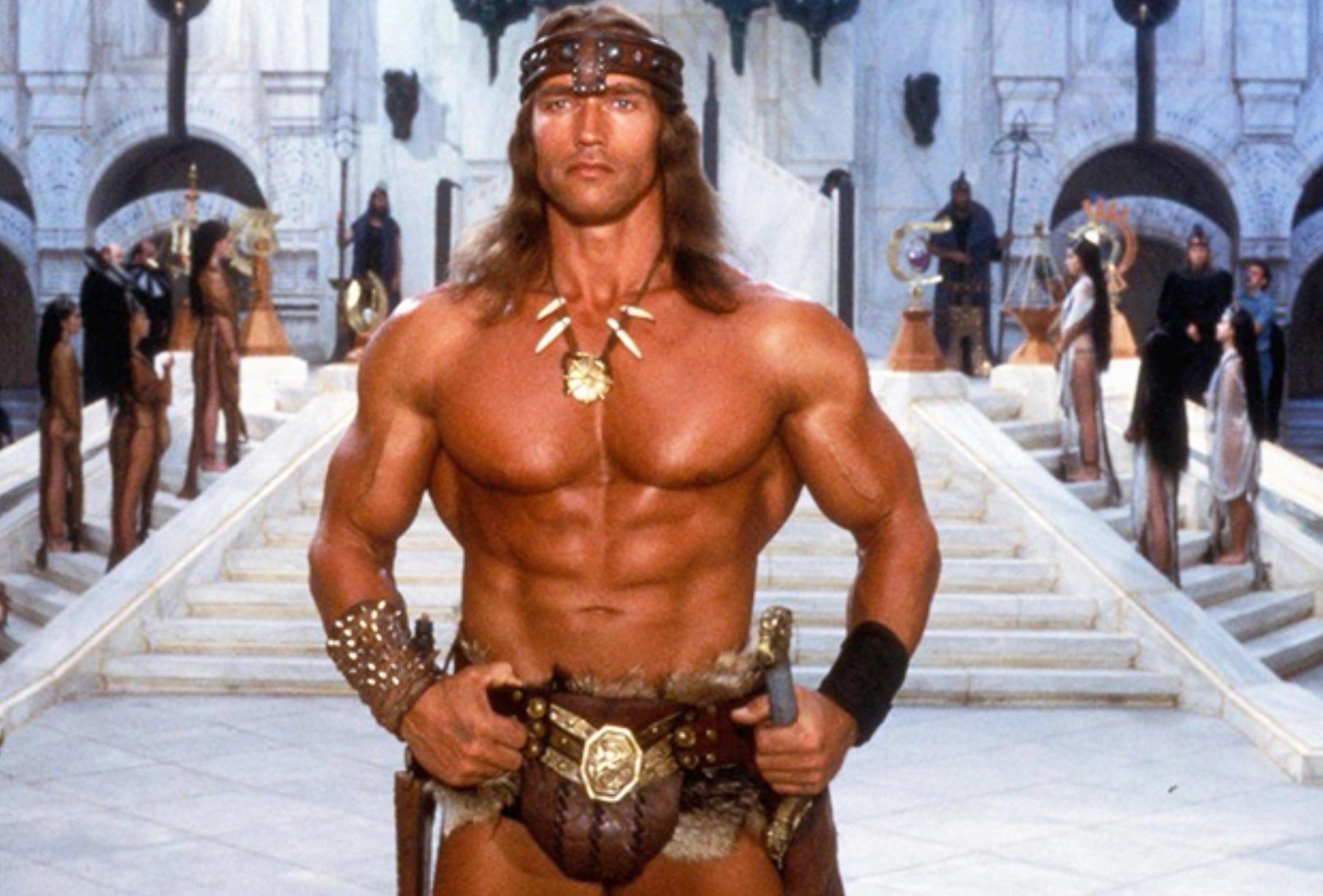
We all have our reason to get more jacked. Maybe you want to look better naked, because you watched Conan the Barbarian, lift heavy things because being strong is cool and useful...
The shoulders are one of the most important body parts when it comes to building a great physique. Especially the side delts help build the v-taper and give the arms that extra oomph.
The two main reason people do and should warm up is to improve performance and to reduce injury risk. However, many things people often do to warm up are simply a waste of time.
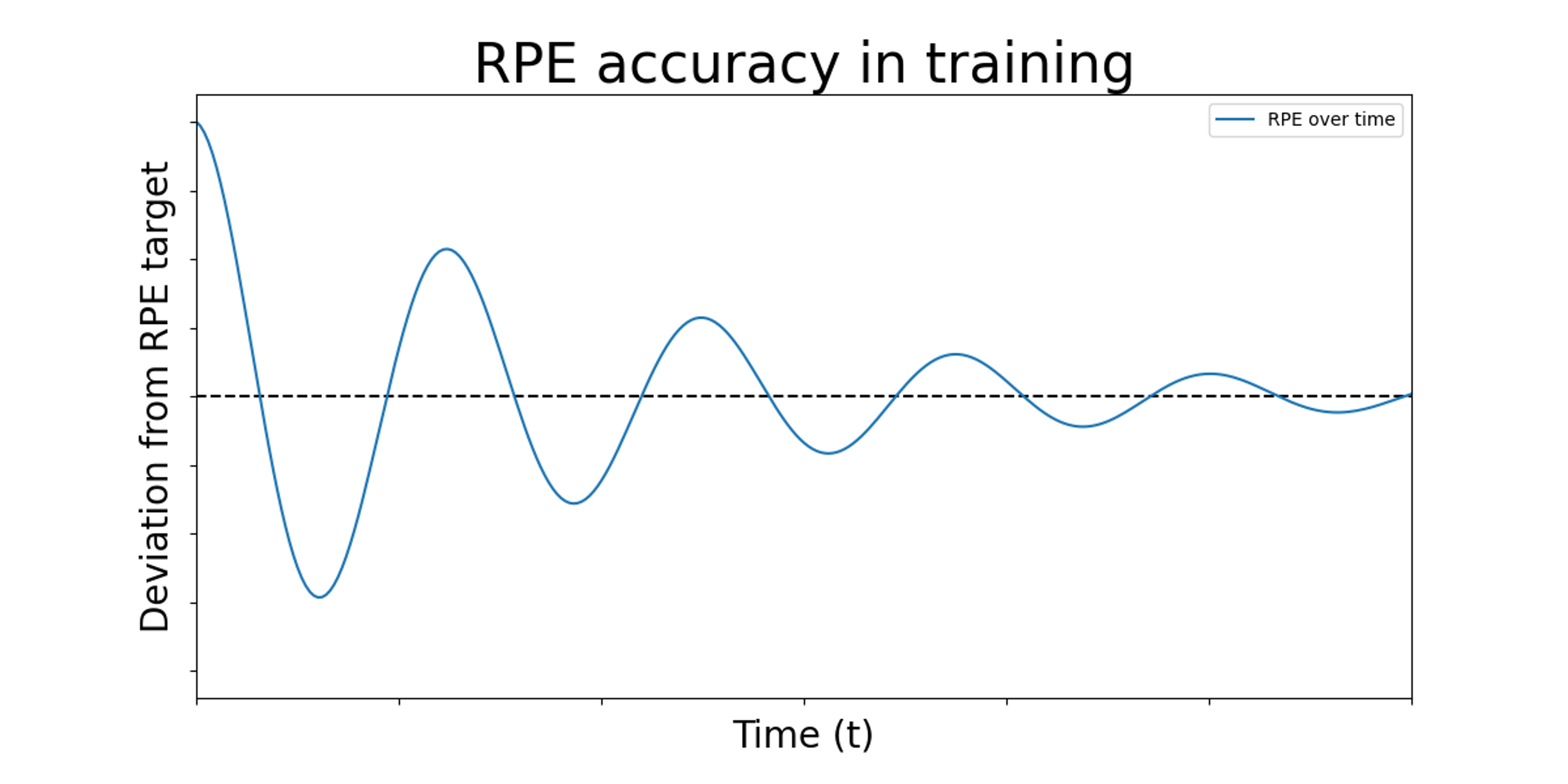
Ideally, everyone should be able to gauge RPE. I honestly believe RPE is a skill that should be practiced from the start of a training career.
Many years ago outside a CrossFit class, a woman asked an interesting question. How do you get stronger?
But as with most things that sound simple, there is more to the story. That is, losing weight is simple, but doing it is hard.
There are many reasons why one might want to start working out. Some of the most common include looking better naked, being stronger, improving performance in a sport, or general health.